Physical Video Game and Hardware Sales In November In the US Were The Worst They’ve Been Since November 1995

December might be home to Christmas, Boxing Day, and the rush to buy presents for loved ones for a significant portion of the world, but November is no slouch, particularly because of Black Friday. This year, however, November was not a booming and bustling month for game sales in the US, at least for physical game sales and hardware sales, according to the latest Circana report from executive director Mat Piscatella.
In fact, physical game sales and hardware sales were the lowest they’ve been in the US since November 1995, as total spending across video games, hardware, and accessories came in at $5.9 billion, a 4% drop compared to November 2024.
Hardware spending specifically dropped to $695 million, a 27% drop compared to last year. November 2025 is now the second-lowest spending total for video game hardware in the US since November 2005, when the total spend on hardware was $455 million.
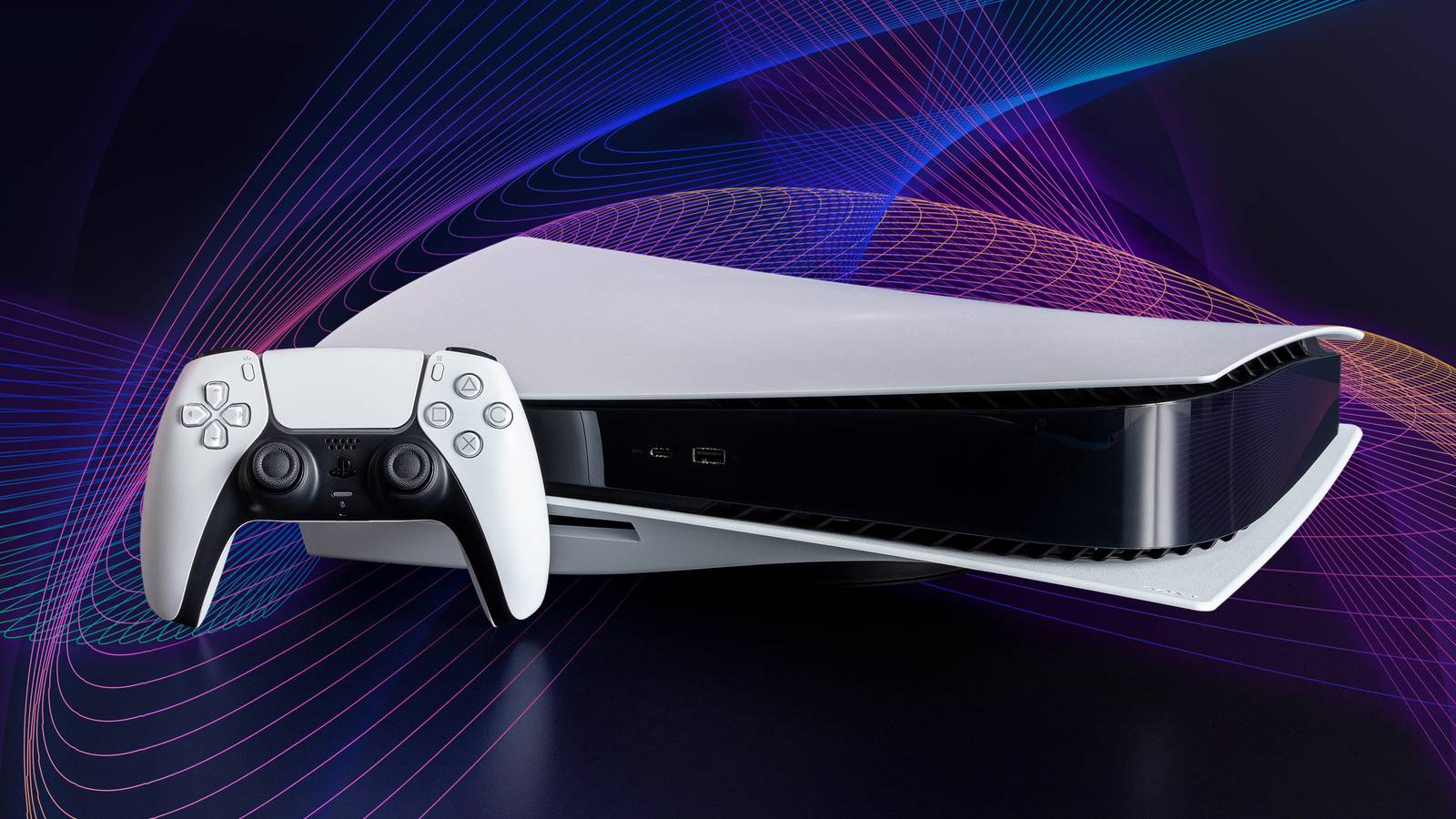
The number of hardware units was also down to 1.6 million for the month, with the only lower unit total coming from November 1995, when 1.4 million hardware units were sold. When it comes to specific consoles, sales for Xbox Series X/S consoles are down 70% compared to November 2024. PlayStation 5 console sales were down 40%, while Nintendo Switch console sales were down 10%, and that’s even including the fact that the Switch 2 is now available.
Spending on accessories also fell to $327 million, a 13% drop compared to November 2024, with spending on controllers specifically dropping 19% compared to last year. Content, which encapsulates actual video game sales, DLC, etc., was the only area that actually went up compared to November 2024, with a 1% growth overall.
That said, physical game sales were down 14% compared to last year, another “all-time low for a November month since tracking began in 1995,” Piscatella wrote.
So, what happened to make video game spending drop so much with regard to hardware, accessories, and physical video game sales? Well, according to Piscatella in a statement given to IGN, it’s the fact that the cost of everything, including video games, has skyrocketed in recent years, and with rising RAM prices, things don’t look good for the future.
“Retail spending had been holding up relatively well until now, despite the pressure from higher prices we’ve been seeing in the market. More affluent consumers have kept on spending so far, which has made up for some of the declines in spending from the less affluent portions of the market. Perhaps this is a sign that those higher prices are beginning to impact purchases of pricier items, like consoles. Perhaps not.
However, if the crunch on RAM pricing continues, if we see rising prices on consoles and gaming PCs over the coming months it could, theoretically, be potentially devastating to the dedicated gaming device market. Which would, of course, have potential carryover effects on the content side. I certainly see some of the relationships between hardware unit sales and pricing we’re seeing in the November results as a red flag.“
Earlier this year, Piscatella gave a presentation at Summer Game Fest, where he outlined how the rising cost of essentials in the US would likely impact video game market sales, because consumers would simply have less money to spend on video games when they’re worried about paying rent and buying food.
Now, as Piscatella points out, it’s not just the rising price of essentials that people need to live on that is driving down video game spending, but the cost of the games and the hardware themselves. In November 2019, the average cost of a console was $239. Now, as console prices have risen, not dropped, since the new generation launched, even for what is now officially previous-gen consoles, the average price for a console in the US is $439.
It’s still too early to tell if this is a one-off bad month or if this is the beginning of a growing trend. We won’t know how the December 2025 numbers look until January 2026. That said, these numbers aren’t exactly inspiring, and as memory shortages continue to turn the entire tech industry upside down, it doesn’t look like prices will stabilize anytime soon. Unless everyone starts getting paid more, the majority of consumers will continue to be priced out of buying the latest tech, in video games or elsewhere.
Lastly, an update on the best-selling games of 2025 in the US, a figure that we’ve been tracking most of the year. For October 2025, it was Battlefield 6 that stood at the top of both the monthly charts and the year-to-date charts.
While Call of Duty: Black Ops 7 was the best-selling game in the US for November 2025, it doesn’t even crack the top five for the year-to-date premium game sales charts, with Battlefield 6 still atop that list. Battlefield 6 was also the second-best-selling game for the month of November 2025, a clear sign that it has not slowed down its sales momentum in the US.


It’s still early to call it, but perhaps Battlefield 6, not Call of Duty, will be the best-selling first-person shooter in the US at the end of 2025. We’ll find out next year.
Follow Wccftech on Google to get more of our news coverage in your feeds.
link