A Bold Experiment or the Future of PC Hardware?
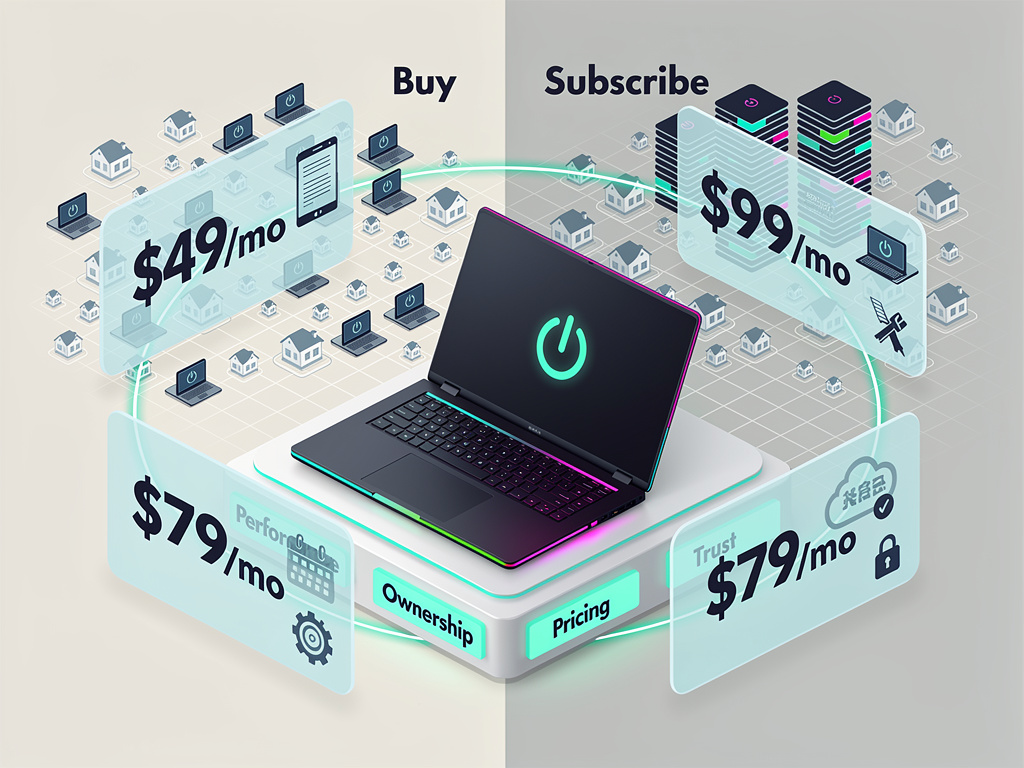
Hewlett-Packard is testing a provocative new business model that could fundamentally reshape how consumers acquire high-end computing hardware: renting gaming laptops on a monthly subscription basis. The initiative, which has drawn both curiosity and skepticism from the tech community, represents one of the most ambitious attempts by a major PC manufacturer to shift from one-time hardware sales to recurring revenue streams — a transition that has already transformed industries from software to automobiles.
The program, branded as HP Omen Gaming Hub rentals, allows customers to lease premium gaming laptops for a monthly fee rather than paying thousands of dollars upfront. According to reporting by Slashdot, HP is positioning the subscription model as a way to make high-performance gaming hardware more accessible to consumers who might otherwise be priced out of the market. The service reportedly includes maintenance and upgrade options, giving subscribers the ability to swap out aging hardware for newer models as technology advances.
Why HP Is Pivoting Toward Hardware-as-a-Service
The move comes at a critical juncture for the PC industry. Global PC shipments have been under pressure for years, with consumers holding onto their machines longer and the smartphone revolution siphoning away casual computing demand. For HP, which has long been one of the world’s largest PC manufacturers, the challenge is especially acute in the consumer segment, where margins are thin and competition from Lenovo, Dell, and ASUS is relentless. A subscription model offers the tantalizing prospect of predictable, recurring revenue — the same financial alchemy that transformed Adobe from a boxed-software company into a Wall Street darling.
Gaming, in particular, presents a compelling use case for rental hardware. High-end gaming laptops routinely cost between $1,500 and $3,500, and the rapid pace of GPU advancement from Nvidia and AMD means that a top-tier machine can feel outdated within 18 to 24 months. For serious gamers, the calculus of spending thousands on a depreciating asset is increasingly difficult to justify. HP appears to be betting that a monthly payment — potentially in the range of $50 to $150, depending on the configuration — could attract a segment of gamers who want cutting-edge performance without the long-term financial commitment.
The Subscription Economy Comes for Physical Hardware
HP is hardly the first company to experiment with hardware subscriptions. Apple has explored device-as-a-service models for iPhones, and Peloton famously built its business around a hardware-plus-subscription bundle. In the PC space, HP itself has offered Device-as-a-Service (DaaS) programs for enterprise customers for several years, bundling hardware, software, and support into monthly per-device fees. What makes the gaming laptop rental program notable is that it extends this concept to individual consumers — a far more fragmented and unpredictable market.
The reaction from the tech community has been decidedly mixed. Discussion threads on Slashdot and other forums reveal deep skepticism about the total cost of ownership. Critics argue that over the life of a typical subscription, consumers could end up paying significantly more than they would for an outright purchase. Others raise concerns about what happens to leased hardware at the end of a subscription period — whether HP would refurbish and resell the machines, recycle them, or simply generate more electronic waste. The environmental implications of a model that encourages more frequent hardware turnover are not trivial, particularly at a time when the tech industry faces growing scrutiny over its sustainability practices.
The Economics: Does Renting a Gaming Laptop Actually Make Sense?
The financial math behind hardware rentals is worth examining closely. Consider a hypothetical scenario: a gaming laptop with a retail price of $2,000, offered on a 24-month rental at $100 per month. The consumer would pay $2,400 over two years — a 20% premium over the purchase price — and would not own the hardware at the end of the term. For HP, however, the economics could be quite attractive. The company would collect more total revenue per unit, maintain an ongoing relationship with the customer, and potentially recover and refurbish the hardware for a second lifecycle. If HP can manage logistics and refurbishment costs efficiently, the model could deliver higher lifetime value per customer than traditional sales.
There is also the question of financing alternatives. Many consumers already effectively rent their hardware through credit card debt or buy-now-pay-later services like Affirm and Klarna, often at punishing interest rates. An HP subscription that bundles hardware, warranty, and upgrade rights into a single transparent monthly payment could actually represent a better deal for some buyers — particularly those with limited access to low-cost credit. The key variable is whether HP prices the subscriptions competitively enough to make the value proposition clear.
HP’s Broader Strategic Ambitions and the Ink Cartridge Shadow
Any discussion of HP’s subscription ambitions must reckon with the company’s controversial history with its printing division. HP has aggressively pushed its Instant Ink subscription service, which charges customers a monthly fee for ink cartridges and has drawn fierce criticism for its use of digital rights management to block third-party ink. The company has faced lawsuits and regulatory scrutiny over firmware updates that disable non-HP cartridges, and the resulting consumer backlash has created a significant trust deficit. For many potential gaming laptop subscribers, the question is not whether the economics work in theory, but whether they trust HP to operate the program fairly and transparently over time.
HP’s leadership has signaled that subscription and services revenue is a strategic priority. CEO Enrique Lores has spoken publicly about the company’s ambition to shift toward recurring revenue models across its product lines. The gaming laptop rental program fits squarely within this vision, and its success or failure could influence whether other major OEMs follow suit. Dell, Lenovo, and ASUS are all watching closely; if HP demonstrates that consumers will pay a premium for the convenience and flexibility of rented gaming hardware, competitors will almost certainly launch their own programs.
What Gamers Themselves Are Saying
The gaming community’s response has been instructive. On forums and social media platforms, many hardcore gamers have expressed resistance to the idea of not owning their hardware. The PC gaming ethos has long celebrated customization, ownership, and the ability to tinker with one’s machine — values that sit uneasily with a rental model in which HP retains ownership of the device. There are also practical concerns about data privacy and what happens to personal files and game libraries stored on a rented laptop when it is returned.
However, a subset of gamers — particularly younger consumers and those who primarily play cloud-streamed games — have expressed openness to the concept. For players who view a laptop primarily as a portal to services like Nvidia GeForce Now, Xbox Cloud Gaming, or Steam, the specific hardware matters less than having a machine that meets minimum performance thresholds. If HP can target this demographic effectively, the rental model could carve out a meaningful niche even if it fails to convert traditional PC enthusiasts.
The Road Ahead for Hardware Subscriptions
HP’s gaming laptop rental experiment arrives at a moment when the boundaries between products and services are blurring across the economy. Automakers are experimenting with subscription-based heated seats. John Deere has moved toward software-locked tractors. Even Samsung has explored subscription models for smartphones. The common thread is a corporate desire to convert one-time transactions into ongoing revenue relationships — a shift that benefits company balance sheets but often leaves consumers feeling that they own less and pay more.
Whether HP’s gaming laptop rentals gain traction will depend on execution, pricing, and — perhaps most critically — whether the company can overcome the trust issues created by its printer ink practices. The program is still in its early stages, and HP has not disclosed detailed pricing or availability timelines for all markets. But the signal it sends is unmistakable: one of the world’s largest PC makers believes the future of consumer hardware is not ownership, but access. For an industry built on selling boxes, that is a seismic bet — and one that the entire technology sector will be watching with intense interest.
link