


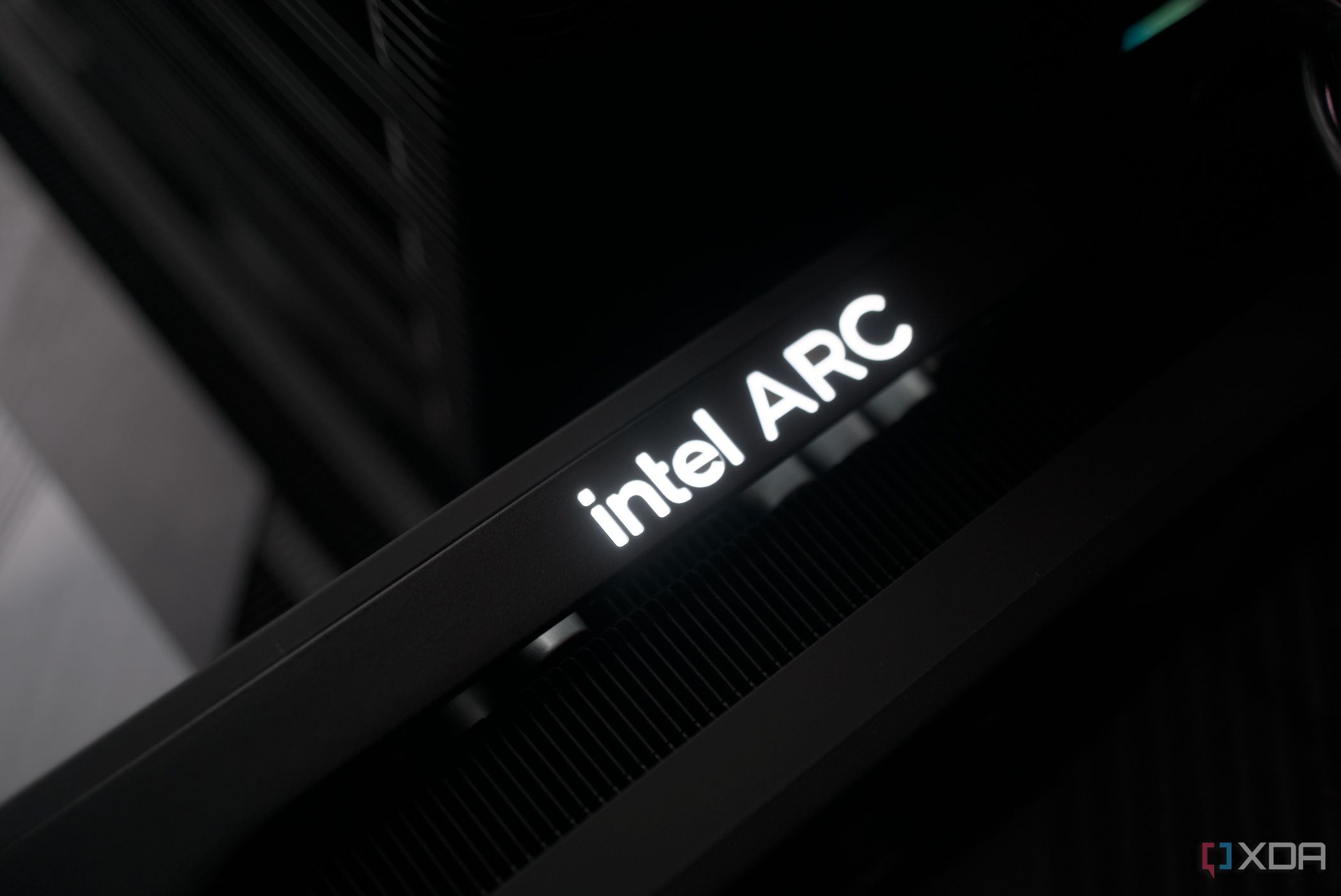
Intel is making its XeSS GPU tech hardware-agnostic, similar to AMD’s FSR. This will bring Intel’s XeSS super sampling, frame gen, and Xe low latency to AMD and Nvidia GPUs. Intel has made its GPU tech available in the XeSS 2.1 SDK, which brings the Xe Framework to any GPU that supports Shader Model 6.4 or newer, meaning the Nvidia GeForce GTX 10-series and AMD Radeon RX 5000 series onward. Intel does recommend a GeForce RTX 30-series or Radeon RX 6000-series GPU or newer for a better experience.
But why does that matter when FSR is already hardware-agnostic and Nvidia’s DLSS is the superior GPU acceleration software? In a lot of cases, right now, it doesn’t. Only 44 games currently support Intel XeSS 2, though that number is growing. However, there are still four reasons gamers should be excited about the announcement.
4
More game support
Hardware-agnostic solutions can be easier for devs to use.
The XeSS 2 library of games is incredibly small. Just 44 game titles are optimized for Intel’s XeSS 2, while AMD’s FSR 4 has over 65 titles optimized for the new super sampling, and over 125 games support Nvidia’s DLSS 4.
AMD’s open-source approach has led to broader adoption by devs because it can run on AMD, Intel, and Nvidia graphics cards so it has a broader reach than DLSS which is only available on Nvidia GPUs. If developers are going to choose just one super sampling technology to optimize for, going for a hardware-agnostic solution that can run on more GPUs just makes sense.
Intel adopting a similar approach to AMD can only mean that small XeSS 2 game library will expand from 44 titles to more and more games. The XeSS library is much larger when you add XeSS 1 games, bringing the total to 200 games and counting. Now that Intel has lowered the barrier to entry for XeSS 2, that number will likely also climb much higher than 44 titles.
3
Boosts older hardware
If your GPU is too old for DLSS, you can try XeSS instead.

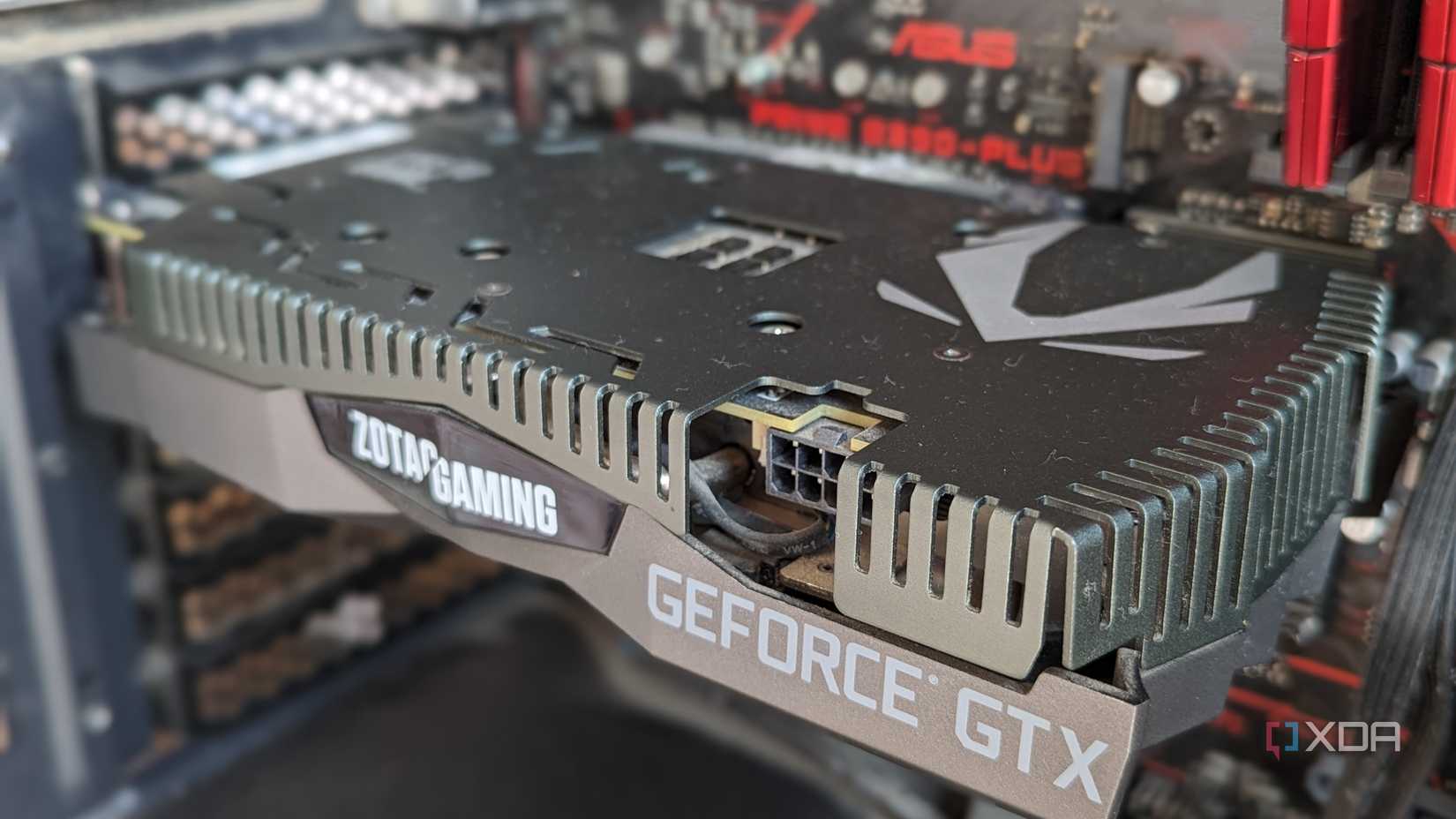
Intel’s XeSS 2 can run on old hardware. The Nvidia GeForce GTX 10-series GPUs are now nine years old, while the AMD Radeon RX 5000 series is six years old. Intel does recommend newer hardware on both the Nvidia and AMD side to take better advantage of XeSS features, but the fact that you can run it on an almost decade-old Nvidia GPU is nothing to scoff at when it comes to optimizing for older hardware. There are still folks out there rocking the GTX 1080 Ti graphics cards still, after all.
AMD’s FSR is also available on much older hardware, going back to the GeForce GTX 10-series and Radeon RX 400-series, at least for FSR 1 and FSR 2. FSR 3 is more restrictive, requiring a Radeon RX 6000-series GPU and above or an Nvidia GeForce RTX 20-series and above. FSR 4 is currently only available on the RDNA 4 GPUs in the Radeon RX 9000-series.
So Intel’s XeSS 2 being available on much older hardware than AMD’s latest super sampling could be a solid advantage for game devs and gamers using older rigs.
2
XeSS Low-Latency
FSR doesn’t have the same latency benefits.

One of the ways DLSS has reigned supreme over AMD’s FSR is Nvidia’s Reflex Low-latency tech. AMD’s FSR may have Fluid Motion Frames, but that’s not quite the same as a latency reduction. Fluid motion frames is a frame-gen technique to double the generated frames, which can smooth out framerates, while XeSS offers both AI-powered frame generation and reduced input lag with the Xe Low Latency feature.
Now that Intel has made XeSS 2 an open-source SDK, it offers access to XeSS Low-Latency and XeSS Frame Generation to users on Intel, AMD, and Nvidia GPUs. Intel’s XeSS 2 frame gen and latency combo is similar to the DLSS 4 frame generation and Reflex Low-latency experience, but Intel’s solution doesn’t require you to have an expensive RTX 50-series GPU.
1
Increased competition
XeSS going open-source may cause AMD to make FSR 4 available on more hardware.

AMD is expected to bring FSR 4 to additional hardware, but for now it remains locked to the Radeon RX 9000 series GPUs. Intel going open-source with XeSS 2 just might accelerate AMD’s timeline. After all, increased competition usually forces all sides to innovate faster, and that’s only ever a benefit for gamers no matter which side of the CPU/GPU wars you land on.
Intel’s approach to the gaming GPU market has been tentative so far, but this push into bringing XeSS 2 to an open-source SDK reinforces that the Arc GPU business isn’t going away after just a couple of generations. This is an investment for Intel, so the current gains in development and optimization are just the start. And that will likely also push Nvidia and AMD, as Intel is poised to disrupt the GPU market. Right now, FSR 4 and DLSS 4 are surprisingly close in features and functionality, but neither company should rest on those laurels. After all, we still haven’t seen proper 8K gaming yet.
Whether you adopt XeSS or not, it’s still a good thing.
Increased competition benefits the consumer. That’s just how capitalism works. And there are real reasons to be excited about Intel’s work with the XeSS super sampling technology. While not quite to the same level as AMD’s FSR 4 or Nvidia’s DLSS 4 just yet, it does offer a compelling combination of super sampling, frame generation and low latency features in a platform that’s open source and easy for developers to adopt. And unlike FSR 4 or DLSS 4, it’s not hardware restricted. So you can still get all those benefits of a new GPU even on your older Nvidia or AMD graphcis cards.
link